
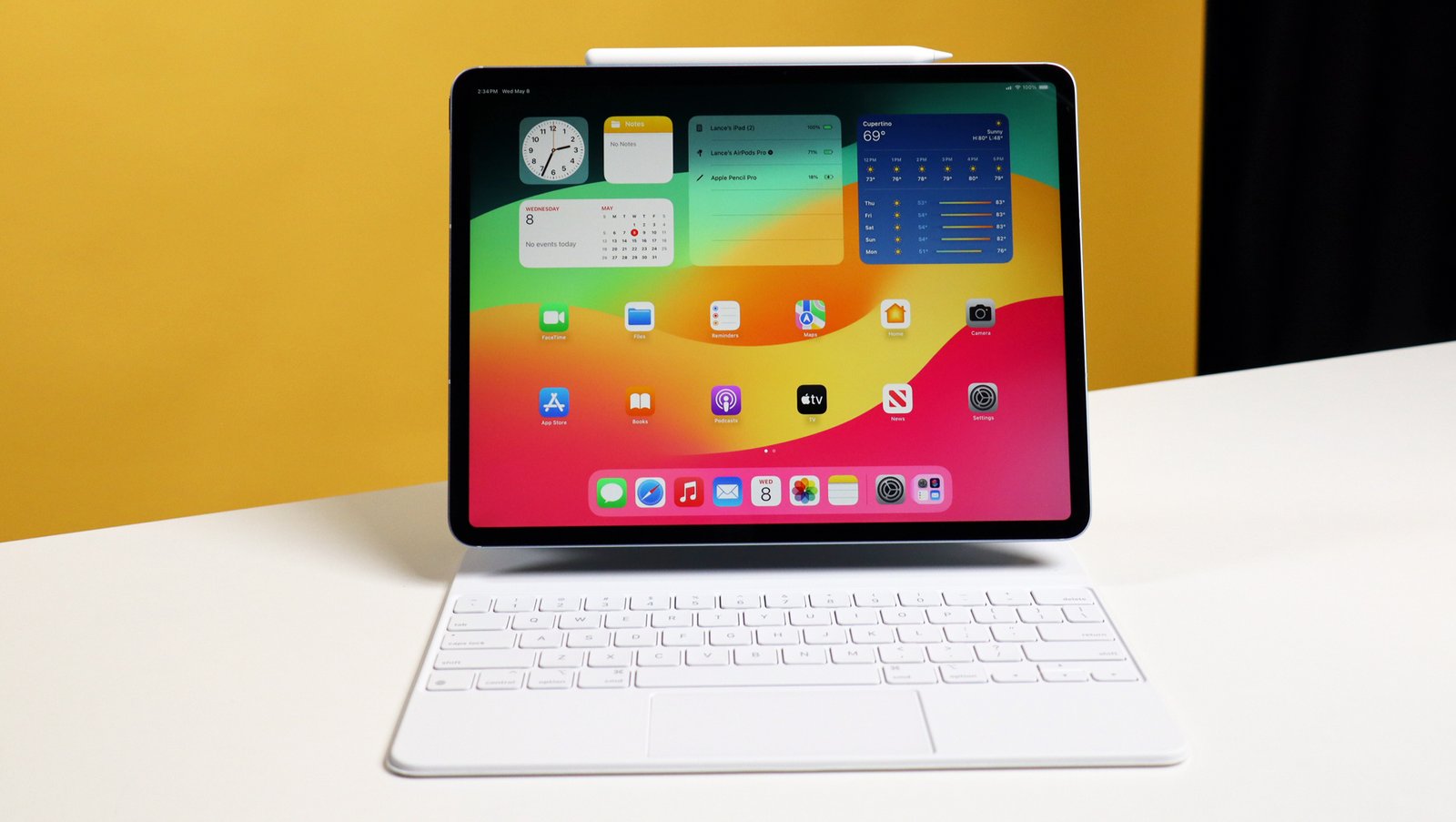
The Auditory Canvas: A Deep Dive into the iPad Air 4’s Sound and Speaker Performance
In the ever-evolving landscape of portable computing, tablets have carved out a significant niche as versatile devices for productivity, creativity, and most importantly, media consumption. While stunning displays often steal the spotlight, the auditory experience is equally crucial in shaping a user’s immersion and overall satisfaction. For many, a tablet isn’t just a window to digital content; it’s a personal cinema, a mobile concert hall, or a dynamic gaming arena.
Apple’s iPad Air 4, released in late 2020, represented a significant redesign for the "middle child" of the iPad lineup, borrowing heavily from the more premium iPad Pro. Beyond its striking new industrial design and powerful A14 Bionic chip, one of the most anticipated upgrades was its sound system. Moving away from the Air 3’s single, downward-firing speaker, the Air 4 adopted a dual-speaker setup, strategically placed to deliver a stereo experience in landscape orientation. This review will meticulously dissect the sound and speaker performance of the iPad Air 4, evaluating its capabilities across various use cases, comparing it to its peers, and ultimately determining if it lives up to the promise of an enhanced auditory canvas.
The Hardware Foundation: Design and Speaker Placement
Before delving into the subjective listening experience, it’s essential to understand the physical architecture that underpins the iPad Air 4’s sound. The most significant change from its predecessor is the adoption of a dual-speaker system. When holding the iPad Air 4 in landscape mode, you’ll find speaker grilles on both the left and right sides of the device, located near the top and bottom edges respectively, if held vertically. This configuration is critical, as it allows for true stereo separation, a feature conspicuously absent from the older Air models and the base-model iPads.
The speaker grilles themselves are meticulously machined, blending seamlessly into the sleek aluminum unibody. While Apple rarely discloses specific driver sizes or wattage for its mobile devices, the placement and design suggest a focus on maximizing sound output and clarity within the constraints of a thin, lightweight enclosure. Unlike the iPad Pro’s more elaborate four-speaker system (which intelligently adjusts sound based on orientation), the Air 4’s dual speakers are optimized primarily for landscape use, which is arguably the most common orientation for media consumption. This design choice implies a calculated balance between cost, complexity, and user experience, aiming to deliver a substantial upgrade without encroaching on the Pro’s premium territory.
The Core Listening Experience: Clarity, Volume, and Soundstage
Evaluating the iPad Air 4’s speakers begins with assessing fundamental audio metrics: clarity, volume, and the perceived soundstage.
Clarity and Detail:
The iPad Air 4’s speakers deliver remarkable clarity for a tablet. Vocals, in particular, shine through with crisp articulation, making dialogue in movies and podcasts exceptionally easy to follow, even at lower volumes. Instruments in music tracks are well-defined, and it’s possible to discern individual elements within a mix. This level of detail is a significant step up from single-speaker tablets, which often produce a muddled, less distinct sound profile. The mid-range frequencies, where most vocals and primary instruments reside, are particularly well-represented, offering a natural and balanced tone.
Volume and Loudness:
The iPad Air 4 can get surprisingly loud. It’s more than capable of filling a small to medium-sized room with sound, making it suitable for casual group listening or background music while cooking. Crucially, even at maximum volume, distortion is remarkably well-controlled. While there’s an inevitable slight compression and a thinning of the bass at the very top end, it remains largely listenable, avoiding the harsh, tinny sound that plagues many other portable devices when pushed to their limits. This robust volume output makes the Air 4 an excellent choice for watching movies without needing external speakers, especially in quiet environments.
Soundstage and Separation:
The true star of the Air 4’s audio upgrade is its stereo separation. When holding the device in landscape, the left and right channels are distinct, creating a tangible sense of space and immersion. This is transformative for media consumption. In movies, you can clearly hear sound effects panning from one side to the other, enhancing the sense of action and direction. For music, instruments gain their own distinct place in the mix, preventing the "mono blob" effect common on tablets with single or poorly implemented stereo speakers. While it won’t replicate the vast soundstage of a dedicated hi-fi system, for a portable device, the Air 4’s ability to create a sense of width is genuinely impressive and significantly elevates the listening experience.
Frequency Response Analysis: Bass, Mids, and Treble
A comprehensive sound review necessitates a breakdown of how the speakers handle different frequency ranges.
Bass (Low-End):
This is often the Achilles’ heel of small-form-factor speakers, and while the iPad Air 4 performs admirably, it’s still subject to the laws of physics. The bass response is surprisingly present and articulate for a tablet. You won’t get chest-thumping sub-bass, nor will you feel the visceral rumble of explosions in action movies. However, the Air 4 manages to produce enough low-end presence to prevent the sound from feeling thin or anemic. Kick drums have a decent punch, and basslines are discernible, providing a foundational warmth to the audio. For pop, rock, and even some electronic music, the bass is sufficient to provide rhythm and depth. It’s a significant improvement over previous Air models, which often lacked any meaningful low-end.
Mid-range:
As mentioned, the mid-range is where the Air 4 truly shines. Vocals, acoustic guitars, pianos, and most orchestral instruments reside in this frequency band, and the Air 4 reproduces them with excellent fidelity. Voices sound natural, full-bodied, and clear, without any noticeable muddiness or harshness. This makes the Air 4 particularly well-suited for content that is dialogue-heavy, such as podcasts, audiobooks, news, and most television shows. The balance in the mid-range ensures that the core elements of most audio tracks are delivered with accuracy and warmth.
Treble (High-End):
The treble response of the iPad Air 4 is crisp and detailed without being overly bright or fatiguing. Cymbals shimmer, high hats have a satisfying snap, and sibilance (harsh "s" sounds in vocals) is generally well-controlled. There’s enough sparkle to add clarity and airiness to the sound, preventing it from sounding dull or muffled. However, like many small speakers, if the source audio is already poorly mixed with exaggerated highs, the Air 4 won’t magically fix it and might reveal those imperfections. For well-produced content, the treble contributes positively to the overall clarity and perceived detail.
Application-Specific Performance: Tailoring the Experience
The true test of a versatile device like the iPad Air 4 lies in its performance across various applications.
Music Playback:
For casual music listening, the iPad Air 4 is an excellent companion. It handles a wide range of genres with surprising competence. Pop and rock music benefit from the clear vocals and decent mid-range presence. Electronic music, while lacking deep bass, still maintains its rhythmic drive and intricate layers thanks to the good stereo separation. Classical music, with its complex orchestral arrangements, sounds remarkably spacious and detailed for a tablet. While audiophiles will naturally gravitate towards dedicated headphones or external speakers, for background listening, discovering new artists, or sharing music with friends, the Air 4 punches well above its weight class. Services like Apple Music and Spotify sound vibrant and engaging.
Movie and TV Show Consumption:
This is arguably where the iPad Air 4’s speaker upgrade makes the most profound difference. The stereo separation and clear dialogue elevate the cinematic experience significantly. Explosions and action sequences have a greater impact, even without true sub-bass, as sound effects move across the soundstage. Ambient sounds in atmospheric scenes are more immersive, drawing the viewer deeper into the narrative. The excellent mid-range ensures that dialogue is never lost amidst background noise or musical scores. Watching Netflix, Disney+, or YouTube on the Air 4 is a genuinely enjoyable and immersive experience, making it a fantastic portable media consumption device.
Gaming:
For mobile gaming, sound is often overlooked but critical for immersion and competitive advantage. The iPad Air 4’s stereo speakers provide directional audio cues in games, which can be crucial in titles like first-person shooters or adventure games where hearing footsteps or environmental sounds can provide an edge. The overall sound effects are punchy, and game soundtracks sound vibrant. The soundstage helps in creating a more engaging and less fatiguing gaming session compared to mono speakers.
Podcasts and Audiobooks:
Given the emphasis on vocal clarity, the iPad Air 4 is naturally superb for spoken-word content. Voices are articulate, warm, and easy to follow, even during long listening sessions. The lack of a distracting tinny quality or excessive sibilance makes it a comfortable experience for consuming hours of narrative or informative content.
Video Conferencing (FaceTime, Zoom, Google Meet):
In an era dominated by remote communication, the iPad Air 4 performs admirably for video calls. The speakers project voices clearly, ensuring that participants on the other end are easily heard. More importantly, the microphone performance (discussed below) complements this, making two-way communication smooth and effective.
Microphone Performance: Being Heard Clearly
While speakers handle output, microphones are crucial for input, particularly for video calls, voice memos, and content creation. The iPad Air 4 features multiple microphones, strategically placed to capture clear audio and, to some extent, reduce ambient noise.
In practical use, the microphones perform exceptionally well. For FaceTime or Zoom calls, your voice comes across as clear and natural, with good presence. They do a decent job of isolating your voice from background chatter or ambient noise, although they won’t perform miracles in a very noisy environment. For recording voice memos, lectures, or even simple musical ideas, the quality is more than adequate for casual use. It’s certainly not a studio-grade microphone, but for a tablet, it offers impressive clarity and fidelity, making the iPad Air 4 a reliable tool for communication and basic audio capture.
Connectivity and External Audio: Beyond the Built-in Speakers
Despite the significant improvements to its internal speakers, there will always be scenarios where external audio solutions are preferred or necessary. The iPad Air 4, like its Pro siblings and more recent iPhones, famously omits the traditional 3.5mm headphone jack. This decision, while polarizing for some, pushes users towards wireless solutions or USB-C adapters.
Bluetooth Audio:
The iPad Air 4 supports Bluetooth 5.0, offering a stable and efficient wireless connection to a vast array of headphones, earbuds, and Bluetooth speakers. Pairing is typically seamless, especially with Apple’s own AirPods and Beats products, which benefit from features like instant pairing and automatic device switching thanks to the H1 or W1 chip. For most users, Bluetooth headphones will be the primary method for private listening, offering superior sound quality, noise isolation, and privacy compared to the built-in speakers. Latency is generally low enough for casual gaming and video watching, though competitive gamers might still notice a slight delay with some setups.
USB-C Audio:
The USB-C port on the iPad Air 4 is highly versatile. It can be used with a USB-C to 3.5mm headphone jack adapter (sold separately) for wired headphones, providing a reliable and often higher-fidelity audio experience compared to Bluetooth for critical listening. Additionally, the USB-C port can connect to external USB DACs (Digital-to-Analog Converters) and audio interfaces, allowing for professional-grade audio output and input for musicians, podcasters, or audiophiles who demand the highest possible quality. This flexibility ensures that while the headphone jack is gone, the options for high-quality wired audio are still very much present, albeit requiring an adapter.
Comparison with Peers and Predecessors
To truly appreciate the iPad Air 4’s audio capabilities, it’s helpful to place it in context with other Apple tablets.
Versus iPad Air 3 (and Older Air Models):
The difference is night and day. The Air 3’s single, downward-firing speaker was a significant weak point, offering mono sound that was often muffled and lacked clarity. The Air 4’s stereo setup is a monumental upgrade, transforming the media consumption experience from merely functional to genuinely enjoyable.
Versus Base Model iPads (iPad 8th/9th Gen):
The standard iPads also feature a single, downward-firing speaker. While they are competent for their price point, the Air 4’s stereo soundstage, superior clarity, and fuller frequency response easily surpass them. If audio quality is a high priority, the Air 4 is a clear step up from the base models.
Versus iPad Pro (11-inch/12.9-inch):
This is where the Air 4 meets its match. The iPad Pro models boast a quad-speaker system (two woofers and two tweeters), which delivers a significantly more expansive, detailed, and bass-rich sound. The Pro’s speakers offer a wider soundstage, more powerful bass, and even better dynamic range. While the Air 4 is excellent for its class, the Pro remains the king of tablet audio within Apple’s lineup, particularly for those who prioritize the absolute best sound without external solutions. The Pro’s intelligent audio system also adapts the sound output based on the iPad’s orientation, a feature the Air 4 lacks.
Versus iPad Mini 6:
The iPad Mini 6, released a year after the Air 4, adopted a very similar dual-speaker, landscape stereo setup, largely mirroring the Air 4’s audio philosophy but in a smaller package. While the Mini 6’s speakers are impressive for its size, the Air 4’s larger chassis theoretically allows for slightly more resonant chambers, potentially giving it a marginal edge in bass response and overall spaciousness, though the core audio signature is very similar.
The "Why" Behind Apple’s Choices and Limitations
Apple’s design decisions are always a balance of performance, cost, form factor, and target audience. The iPad Air 4’s audio system perfectly embodies this. It’s a significant upgrade from the base iPad and previous Air models, providing a genuinely good stereo experience. However, it stops short of the iPad Pro’s more advanced quad-speaker array.
This strategic differentiation allows Apple to offer a clear value proposition. The Air 4 provides "pro-level" features (like the design and USB-C) at a more accessible price point than the Pro, and its audio system reflects this. It’s more than sufficient for the vast majority of users and use cases, providing a premium feel without incurring the cost and complexity of the Pro’s full audio suite.
Despite its strengths, the iPad Air 4’s speakers still have inherent limitations due to their size. They won’t replace a good pair of headphones, a dedicated Bluetooth speaker, or a home theater system for critical listening or truly immersive experiences. Deep, rumbling bass is simply not physically possible from drivers of this size, and while the soundstage is good, it’s still constrained by the tablet’s dimensions. There’s also no user-accessible equalizer or advanced sound profiles, meaning the audio signature is fixed to Apple’s tuning.
Conclusion: A Sonic Sweet Spot for the Modern Tablet User
The iPad Air 4’s sound and speaker performance is unequivocally one of its standout features and a massive leap forward for the iPad Air line. The transition to a dual-speaker, landscape-oriented stereo system has fundamentally transformed the media consumption experience, making it far more immersive, enjoyable, and engaging.
From the crisp clarity of dialogue to the surprising depth of its mid-range and the effective stereo separation, the Air 4 delivers an audio experience that comfortably punches above its weight. It’s loud enough to fill a small room, largely distortion-free even at maximum volume, and robust enough for a wide variety of content, from action movies and detailed game worlds to your favorite music genres and spoken-word podcasts.
While it doesn’t quite reach the pinnacle of audio performance offered by the more expensive iPad Pro, the difference is not so significant as to be a deal-breaker for most users. The iPad Air 4 hits a "sonic sweet spot," offering an excellent balance of quality, volume, and stereo imaging that makes it a joy to use for daily media consumption. Its strong microphone performance further solidifies its utility for communication and casual content creation.
For anyone considering the iPad Air 4, rest assured that its auditory capabilities are a significant selling point, complementing its gorgeous display and powerful performance to create a truly well-rounded and delightful tablet experience. It proves that even in a thin, portable form factor, Apple can deliver a sound experience that is far more than just an afterthought. The iPad Air 4 doesn’t just look good; it sounds good too, inviting users to dive deeper into their digital worlds with every note, word, and effect.
