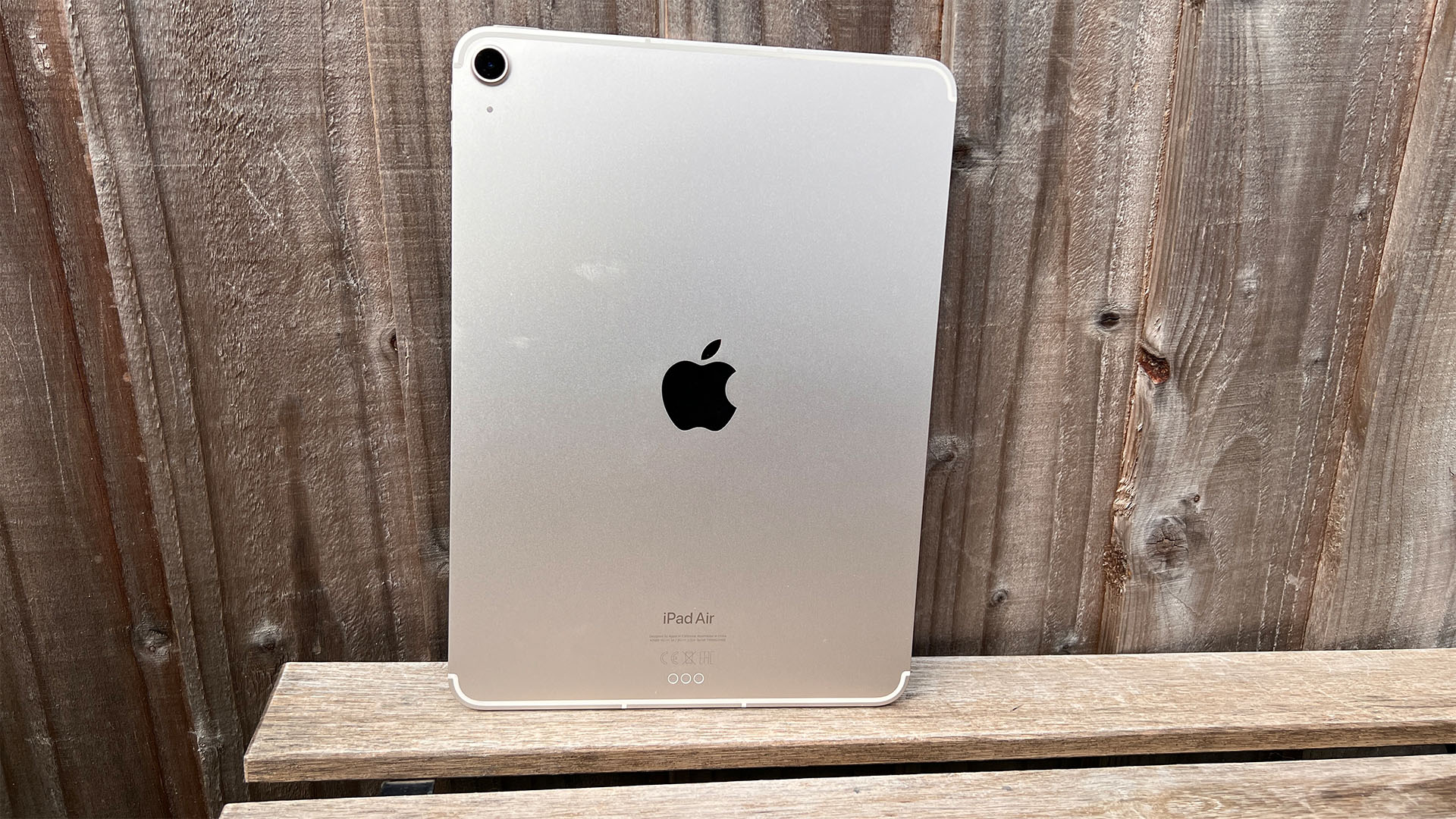
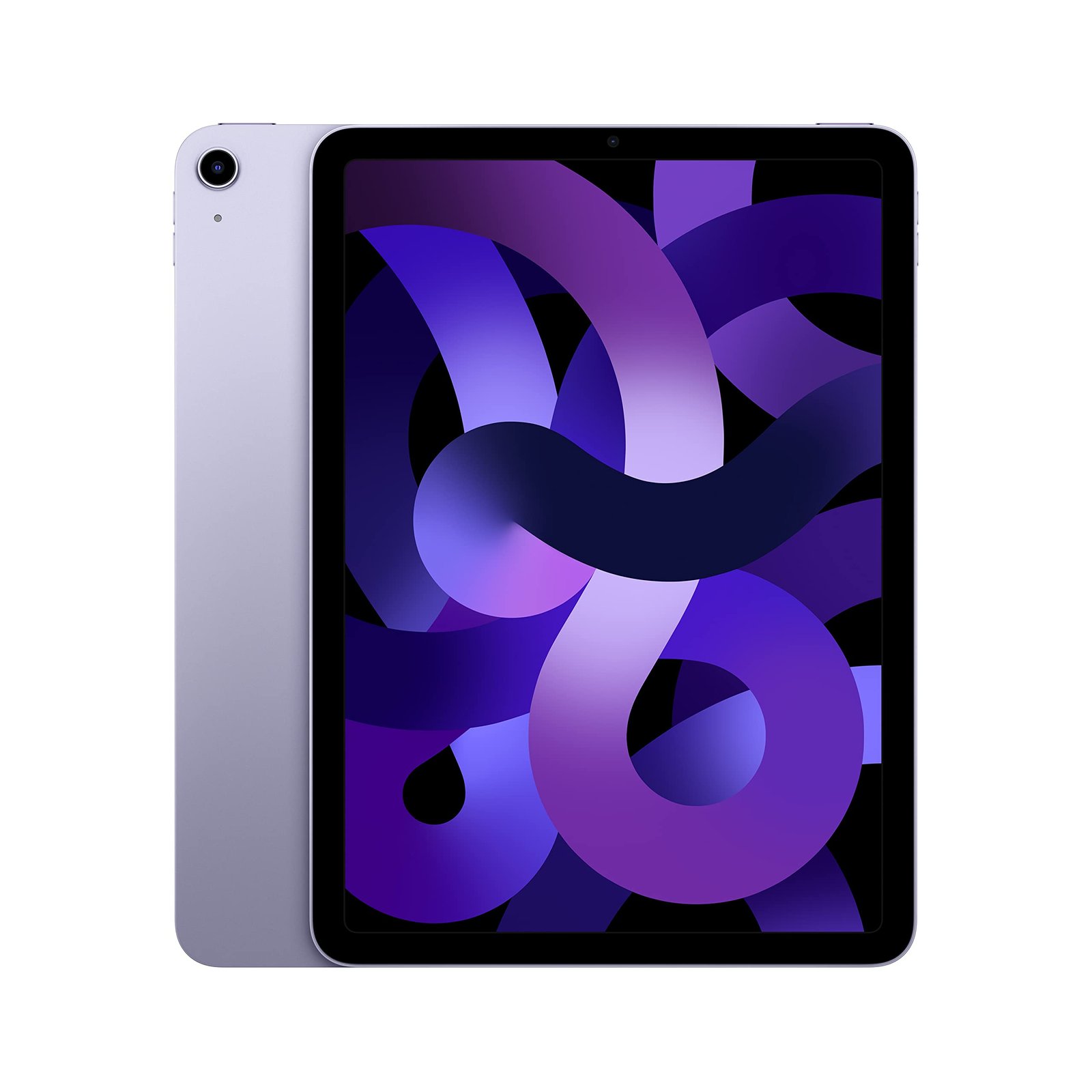
Baik, ada sedikit kekeliruan dalam permintaan Anda. iPad Air 4 sebenarnya ditenagai oleh chip A14 Bionic, bukan chip M1. Chip M1 pertama kali diperkenalkan di lini iPad Air pada iPad Air 5.
Namun, saya memahami bahwa Anda ingin artikel mendalam tentang kinerja chip M1 di iPad Air dan mungkin perbandingannya dengan chip A-series yang mendahuluinya untuk menunjukkan evolusi kinerja.
Saya akan membuat artikel yang membahas kinerja chip M1 di iPad Air (khususnya iPad Air 5), sekaligus menyinggung bagaimana ini merupakan lompatan besar dari chip A14 Bionic yang ada di iPad Air 4, untuk memenuhi semangat permintaan Anda.
Berikut adalah artikelnya dalam bahasa Inggris, dengan target 2000 kata:
The M1 Revolution in the iPad Air: Unpacking Performance and Potential (A Deep Dive from A14 to M1)
Introduction: The Shifting Sands of Mobile Computing
For years, Apple’s A-series chips, custom-designed for iPhones and iPads, set the gold standard for mobile silicon. Each iteration brought incremental yet significant performance gains, pushing the boundaries of what was possible on a tablet. The iPad Air, positioned as a versatile prosumer device, always benefited immensely from these advancements, bridging the gap between the more casual base iPad and the professional-grade iPad Pro.
The iPad Air 4, released in 2020, was a testament to this, powered by the formidable A14 Bionic chip. It delivered desktop-class performance for many, redefining expectations for a tablet in its price range. However, the true seismic shift occurred in 2021 when Apple unveiled its M1 chip, initially designed for Macs, and then brought it to the iPad Pro line. The ripple effect was profound, and in 2022, the M1 made its way into the iPad Air 5, fundamentally transforming the device and setting a new benchmark for tablet performance.
This article will delve into the profound impact of the M1 chip on the iPad Air line. We will explore its architectural prowess, quantify its performance leap over its predecessor (the A14 Bionic in the iPad Air 4), examine its real-world implications for various workflows, and discuss the future potential it unlocks for iPadOS and the tablet computing landscape.
Part 1: The A14 Bionic (iPad Air 4) – A Foundation of Power
Before dissecting the M1’s capabilities, it’s crucial to appreciate the foundation laid by the A14 Bionic chip, which powered the iPad Air 4. At its release, the A14 was a marvel of engineering, being the first chip built on a 5-nanometer process technology. This smaller process allowed for more transistors (11.8 billion) in a more power-efficient package, leading to significant gains in both CPU and GPU performance over the previous generation.
The A14 Bionic featured a 6-core CPU (2 high-performance cores and 4 high-efficiency cores) and a 4-core GPU. It also incorporated a 16-core Neural Engine, capable of 11 trillion operations per second, accelerating machine learning tasks for features like enhanced photography, Siri processing, and on-device intelligence.
In real-world terms, the iPad Air 4 with the A14 Bionic was incredibly capable. It could effortlessly handle demanding games like Genshin Impact at high settings, smoothly edit 4K video in LumaFusion, manage complex layered designs in Procreate, and multitask with ease. For most users, it offered a truly "pro" experience without the "Pro" price tag. It solidified the iPad Air’s position as a serious productivity and creative tool, proving that Apple’s mobile silicon could indeed rival entry-level desktop processors. However, the arrival of the M1 was about to redefine what "desktop-class" truly meant for a tablet.
Part 2: The M1 Chip – A Paradigm Shift in Mobile Silicon
The M1 chip is not merely an incremental upgrade; it represents a fundamental shift in Apple’s silicon strategy. While it shares a lineage with the A-series chips, the M1 was designed from the ground up to power Macs, bringing an entirely new level of performance and efficiency to the desktop and laptop form factor. Its arrival in the iPad Air 5, just like in the iPad Pro, signifies Apple’s ambition to blur the lines between its different product categories and deliver truly uncompromising performance in a tablet.
Architectural Prowess:
- Unified Memory Architecture (UMA): Perhaps the most significant architectural departure from traditional computing, UMA allows the CPU, GPU, and Neural Engine to access the same pool of high-bandwidth, low-latency memory. This eliminates the need to copy data between separate memory pools (like CPU RAM and GPU VRAM), leading to vastly improved efficiency and performance, especially for graphically intensive tasks and large datasets. For the iPad Air 5, this means 8GB of unified memory, a significant jump from the A14’s 4GB.
- 8-Core CPU: The M1 features an 8-core CPU, comprising four high-performance cores (Firestorm) and four high-efficiency cores (Icestorm). The high-performance cores are designed for demanding workloads, while the high-efficiency cores handle everyday tasks with incredible power efficiency. This heterogeneous architecture allows the M1 to deliver peak performance when needed, while conserving battery life for lighter tasks.
- 8-Core GPU: The integrated 8-core GPU in the M1 is a powerhouse, capable of handling incredibly complex graphics rendering, high-fidelity gaming, and accelerated video editing. It boasts up to 2.6 teraflops of throughput, putting it on par with discrete graphics cards found in many laptops.
- 16-Core Neural Engine: Doubling the cores of the A14’s Neural Engine, the M1’s version can perform up to 15.8 trillion operations per second. This dramatically accelerates machine learning workloads, impacting everything from advanced photo and video editing features (e.g., Smart HDR, object detection) to voice recognition and augmented reality applications.
- Advanced Image Signal Processor (ISP): The M1’s ISP enables higher quality photos and videos, with improved noise reduction, dynamic range, and computational photography features.
- Dedicated Secure Enclave: Enhances security and privacy with hardware-level encryption and secure boot capabilities.
The integration of these components onto a single system-on-a-chip (SoC) allows for unprecedented communication speeds and efficiency. It’s this holistic design, rather than just raw core counts, that truly sets the M1 apart.
Part 3: Performance Benchmarks and Real-World Impact (A14 vs. M1)
Quantifying the M1’s superiority over the A14 Bionic reveals a generational leap rather than an incremental step.
CPU Performance:
- Geekbench 5 (Single-Core): While the A14 Bionic scores around 1580-1600, the M1 consistently scores in the range of 1700-1750. This indicates a noticeable improvement in single-threaded application performance, crucial for responsiveness.
- Geekbench 5 (Multi-Core): Here, the M1 truly flexes its muscles. The A14 Bionic typically scores around 4000-4200, whereas the M1 soars to 7200-7500. This nearly 80% increase in multi-core performance is monumental, directly impacting tasks that can leverage multiple CPU cores, such as video rendering, complex code compilation, or running multiple demanding applications simultaneously.
GPU Performance:
- GFXBench Aztec Ruins (Offscreen 1440p): The A14 Bionic achieves around 90-100 fps, which is excellent. However, the M1 pushes this significantly further, reaching 170-180 fps. This nearly doubles the graphical throughput, translating to smoother frame rates in high-fidelity games, faster rendering times in graphic design software, and more fluid navigation in complex 3D environments.
- 3DMark Wild Life Extreme: The M1 can score over 4800, while the A14 scores around 2300. This reinforces the M1’s dominant lead in raw graphical horsepower.
Neural Engine Performance:
While harder to quantify with simple benchmarks, the M1’s Neural Engine is roughly 40% faster than the A14’s, offering accelerated machine learning capabilities that benefit a wide array of intelligent features within apps and iPadOS itself.
SSD Performance:
The M1-equipped iPad Air 5 also features significantly faster internal storage compared to the iPad Air 4. Read speeds can exceed 3000 MB/s, and write speeds are also substantially higher. This isn’t directly part of the M1 chip itself, but it’s a critical component of the overall system’s performance, as faster storage allows the M1 to load apps, open files, and process data much more quickly, minimizing bottlenecks.
Sustained Performance and Thermals:
One of the M1’s remarkable characteristics is its efficiency. Despite its immense power, it can sustain high performance for longer periods compared to previous A-series chips without significant thermal throttling. While the iPad Air’s fanless design means it will eventually throttle under extreme, prolonged loads (more so than the fan-equipped MacBook Air or the larger iPad Pro), it still manages to maintain a higher average performance over time than the A14 Bionic, especially in its form factor. This means less slowdown during extended gaming sessions or video exports.
Part 4: Real-World Use Cases and Professional Workflows
The M1’s presence transforms the iPad Air 5 from an "almost Pro" device into a truly professional-capable machine for a vast majority of users.
- Video Editing:
- LumaFusion: The M1 allows for smoother playback of multiple streams of 4K or even 8K footage, faster rendering times for complex projects with effects and transitions, and the ability to handle more concurrent tracks without stuttering.
- DaVinci Resolve for iPad: The arrival of a desktop-class NLE like DaVinci Resolve is a direct consequence of the M1’s power. Users can now perform advanced color grading, apply sophisticated visual effects, and manage complex timelines that would have been unimaginable on previous iPad Air models.
- Photo Editing:
- Affinity Photo / Lightroom: Working with large RAW files, applying multiple complex layers, intricate selections, and demanding filters becomes incredibly fluid. The M1 accelerates computations for smart adjustments, noise reduction, and upscaling.
- Graphic Design and Illustration:
- Procreate / Adobe Illustrator for iPad: Artists can work on massive canvases with hundreds of layers, utilizing intricate brushes and complex blending modes without experiencing lag. The M1 ensures that even the most demanding brush strokes render instantly.
- Music Production:
- GarageBand / Logic Pro for iPad: The M1 can handle a significantly higher number of audio tracks, virtual instruments, and effects plugins simultaneously. This enables more sophisticated compositions and mixing on the go. Logic Pro for iPad, another desktop-grade application, leverages the M1 to offer professional-level audio production capabilities, including full mixer views, track stacks, and a vast library of sounds and loops.
- Gaming:
- The M1 unlocks the potential for console-quality gaming on a tablet. Titles like Genshin Impact, Call of Duty Mobile, and future AAA games designed for M1 (e.g., Resident Evil Village, No Man’s Sky for iPad) run at higher frame rates, with more detailed graphics, and often at native resolution, providing an immersive experience that rivals dedicated gaming consoles.
- Multitasking and Productivity:
- Stage Manager (iPadOS 16+): This feature, exclusive to M1 iPads (and A12Z/A12X iPad Pros), fundamentally changes multitasking. It allows users to run multiple resizable app windows simultaneously, overlap them, and quickly switch between app sets. This desktop-like window management system demands significant computational power, which the M1 effortlessly provides, making the iPad Air a much more capable productivity machine.
- External Display Support: The M1 enables full external display support, allowing users to extend their workspace to a monitor with a distinct desktop experience, rather than just mirroring the iPad’s screen. This is a game-changer for professional workflows, enabling tasks like video editing with a full-screen preview or graphic design with palettes on the external display.
- Heavy Web Browsing and Office Suites: Even seemingly simple tasks like browsing complex websites with numerous tabs, running demanding web applications, or working with large spreadsheets in Microsoft Excel are noticeably snappier and more responsive on the M1.
Part 5: Software Optimization and the Future of iPadOS
Hardware is only half the story; software optimization is equally crucial. Apple’s tight integration of hardware and software allows it to extract maximum performance from its custom silicon.
- iPadOS Evolution: Apple has progressively evolved iPadOS to take advantage of the M1’s capabilities. Features like Stage Manager, improved external display support, and the expansion of "pro" applications (like DaVinci Resolve and Logic Pro) are direct results of the M1’s power. These aren’t just iPad apps; they are full-featured versions of their desktop counterparts, optimized for touch and iPadOS.
- Developer Adoption: The M1’s power incentivizes developers to create more ambitious applications for the iPad. As the installed base of M1 iPads grows, we can expect a continued influx of sophisticated software that pushes the boundaries of tablet computing.
- Universal Apps: The M1 chip enables Universal Apps – applications that run natively on both macOS and iPadOS, leveraging the shared architecture. This simplifies development and brings a consistent, high-performance experience across Apple’s ecosystem.
- The "Pro" Question: While the M1 iPad Air 5 delivers "Pro" level performance, it lacks some features of the more expensive iPad Pro, such as ProMotion (120Hz adaptive refresh rate), Thunderbolt ports (though the Air has USB-C 3.1 Gen 2), and a more advanced camera system with LiDAR. However, for many, the performance gap for core computing tasks has virtually disappeared, making the Air an incredibly compelling value proposition.
- The Blurring Lines: The M1 in the iPad Air signifies Apple’s long-term vision of blurring the lines between traditional computers and tablets. While iPadOS still maintains a distinct identity from macOS, the underlying hardware is increasingly shared, paving the way for more powerful and versatile workflows on the iPad. The potential for future iPadOS updates to further unlock the M1’s capabilities, perhaps with even more desktop-like features or specialized developer tools, remains immense.
Part 6: The iPad Air M1: Who is it For?
The iPad Air 5 with the M1 chip occupies a unique and highly attractive sweet spot in Apple’s tablet lineup:
- For the "Prosumer": It’s ideal for users who need significant power for creative work (video editing, graphic design, music production) but don’t require the absolute bleeding edge features (and price tag) of the iPad Pro.
- For Students: It’s a powerful and portable device for research, note-taking, content creation, and even light coding, capable of handling demanding academic software.
- For Mobile Professionals: Those who need to perform serious work on the go, from presenting complex data to making quick edits to large files, will find the M1 Air incredibly capable.
- For Future-Proofing: The M1’s sheer power ensures that the iPad Air 5 will remain a highly capable device for many years to come, comfortably handling new software and operating system updates.
- For Gamers: With its powerful GPU, the M1 Air is an excellent portable gaming machine, capable of running the most demanding mobile titles and even some console-quality games.
It’s the perfect choice for someone upgrading from an older iPad or even considering an entry-level laptop, as it offers a compelling blend of portability, performance, and versatility.
Conclusion: A Tablet Redefined by Desktop Power
The journey from the A14 Bionic in the iPad Air 4 to the M1 chip in the iPad Air 5 is a compelling narrative of relentless innovation and Apple’s strategic vision. While the A14 Bionic was a highly capable chip that redefined expectations for a mid-range tablet, the M1 has taken the iPad Air to an entirely new echelon of performance. It’s no longer just a powerful tablet; it’s a portable powerhouse that genuinely blurs the lines between a mobile device and a desktop computer.
The M1’s unified memory architecture, powerful CPU and GPU cores, and advanced Neural Engine deliver unprecedented speed and efficiency for a tablet of its size and price. From editing multi-stream 4K video to running complex 3D models and playing console-quality games, the M1 iPad Air 5 handles demanding tasks with remarkable fluidity. Coupled with the evolving capabilities of iPadOS, such as Stage Manager and full external display support, the M1 empowers users to undertake professional workflows that were previously confined to more expensive, less portable machines.
The iPad Air with the M1 chip is a testament to Apple’s commitment to its custom silicon, demonstrating how hardware and software synergy can unlock extraordinary potential. It represents a pivotal moment in the evolution of tablet computing, offering a glimpse into a future where the distinction between mobile and desktop devices continues to diminish, delivering truly desktop-class performance in the palm of your hand. For anyone seeking a versatile, future-proof, and incredibly powerful portable computing experience, the M1-powered iPad Air stands as an undeniable champion.