
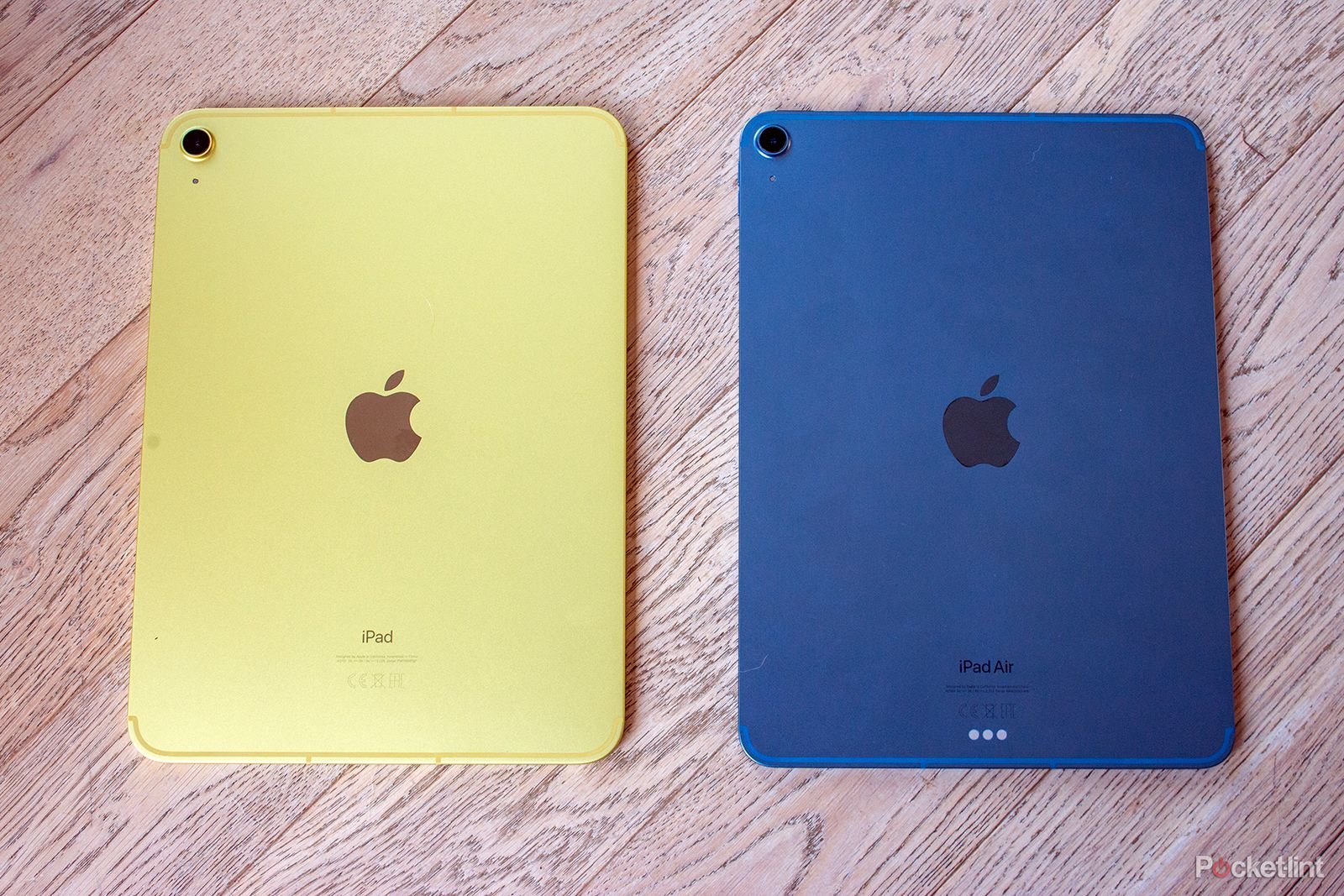
Okay, this is an ambitious request for 2000 words! Let’s dive deep into a comprehensive comparison of the iPad Air 4 and the iPad 10th Generation, two devices that, despite sharing a core processor, offer surprisingly distinct experiences.
The A14 Bionic Showdown: iPad Air 4 vs. iPad 10th Generation – Which Mid-Range Marvel Reigns Supreme?
In the ever-expanding universe of Apple’s tablets, two devices often spark debate among prospective buyers: the venerable iPad Air 4 (released in 2020) and the newer, redesigned iPad 10th Generation (released in 2022). At first glance, the comparison might seem odd. Why pit a two-year-older device against a current-generation model? The answer lies in their shared silicon – both are powered by Apple’s capable A14 Bionic chip – and their surprisingly different approaches to design, accessory compatibility, and overall user experience.
This in-depth article will dissect every facet of these two compelling iPads, from their aesthetic appeal and display technologies to their performance, camera systems, and, crucially, their accessory ecosystems. Our goal is to equip you with the knowledge to make an informed decision, identifying which of these A14 Bionic-powered tablets truly aligns with your needs and budget in today’s dynamic tech landscape.
A Tale of Two Timelines: Historical Context and Design Philosophy
To truly appreciate the nuances of the iPad Air 4 and iPad 10th Gen, it’s essential to understand their respective places in Apple’s product evolution.
The iPad Air 4: The Pro-Lite Pioneer (Released October 2020)
The iPad Air 4 marked a significant turning point for the "Air" line. Prior to its release, the Air models, while thin, still largely adhered to the traditional iPad design with prominent bezels and a Home button. The Air 4, however, inherited the sleek, all-screen design language of the iPad Pro, complete with flat edges, uniform bezels, and a Touch ID sensor integrated into the power button. It was the first non-Pro iPad to feature this modern aesthetic and USB-C connectivity, effectively bridging the gap between the standard iPad and the high-end Pro models. Its introduction solidified the Air’s position as the "sweet spot" for many users seeking premium features without the Pro’s premium price tag. It came in a vibrant array of colors, signaling a more expressive design philosophy.
The iPad 10th Generation: The Standard iPad Reimagined (Released October 2022)
Fast forward two years, and the 10th generation of the standard iPad finally shed its long-standing Home button and thick bezels, adopting the very design cues pioneered by the Air 4. This was a monumental shift for Apple’s entry-level tablet, bringing it visually in line with the rest of the iPad family. However, while embracing the modern aesthetic, the iPad 10th Gen introduced a few distinct characteristics, particularly in its camera placement and accessory compatibility, that differentiate it not only from its predecessors but also from its spiritual design forebear, the Air 4. It also launched with a refreshed set of bright, playful colors, continuing the trend set by the Air 4.
Design and Aesthetics: A Shared Vision, Subtle Differences
At a glance, both the iPad Air 4 and the iPad 10th Gen look remarkably similar, embodying Apple’s contemporary tablet design. Both feature flat edges, thin bezels, and an all-screen front. However, a closer inspection reveals key distinctions:
- Dimensions and Weight:
- iPad Air 4: Slightly more compact and lighter at 247.6 x 178.5 x 6.1 mm and 458 grams (Wi-Fi). Its thinness was a highlight upon release.
- iPad 10th Gen: Marginally larger and heavier at 248.6 x 179.5 x 7.0 mm and 477 grams (Wi-Fi). While still sleek, it’s noticeably thicker and a tad heavier than the Air 4, a small compromise for its internal layout.
- Materials and Finish: Both feature an aluminum unibody design. The finishes are largely similar, offering a premium feel. Both come in a range of attractive colors, with the Air 4 featuring Space Gray, Silver, Rose Gold, Green, and Sky Blue, while the iPad 10th Gen offers Silver, Blue, Pink, and Yellow.
- Touch ID Placement: Both iPads ingeniously integrate Touch ID into the top power button. This allows for a clean, button-free front face while retaining the convenience and security of fingerprint authentication.
- Camera Bump: Both feature a subtle camera bump on the rear for their single lens.
In terms of pure design, the Air 4 retains a slight edge in thinness and lightness, but the iPad 10th Gen’s aesthetic is a welcome and long-overdue upgrade for the standard line, making it feel just as modern in hand.
Display Technologies: Laminated Excellence vs. Subtle Compromises
The display is the window to the iPad experience, and here, both devices offer excellent Liquid Retina IPS LCD panels, but with a critical difference that impacts visual fidelity and touch response.
- Size and Resolution:
- iPad Air 4: Features a 10.9-inch Liquid Retina IPS display with a resolution of 2360 x 1640 pixels, resulting in approximately 264 pixels per inch (PPI).
- iPad 10th Gen: Also features a 10.9-inch Liquid Retina IPS display with a resolution of 2360 x 1640 pixels, maintaining the same pixel density of 264 PPI.
- Both offer ample screen real estate for productivity, media consumption, and creative tasks.
- Brightness: Both iPads achieve a typical maximum brightness of 500 nits, making them suitable for most indoor and outdoor conditions, though not ideal for direct sunlight.
- Color Gamut:
- iPad Air 4: Supports Wide Color (P3), offering a broader and more accurate range of colors, which is crucial for professional creative work like photo and video editing, and a richer experience for media consumption.
- iPad 10th Gen: Supports sRGB color, which is the standard gamut for most digital content. While still vibrant, it’s not as extensive or accurate as P3.
- True Tone: Both devices include Apple’s True Tone technology, which automatically adjusts the display’s white balance to match the ambient light in your environment, making the screen appear more natural and easier on the eyes.
- Laminated Display: This is arguably the most significant differentiator.
- iPad Air 4: Features a fully laminated display. This means there’s no air gap between the display panel and the cover glass. This results in a superior visual experience, making content appear closer to the surface, and a more precise, natural feel when using the Apple Pencil, as there’s less parallax.
- iPad 10th Gen: While a significant upgrade from its predecessors, the iPad 10th Gen, surprisingly, does not feature a fully laminated display. There is a tiny air gap between the LCD and the cover glass. While most casual users might not notice it immediately, it can result in a slightly less "popping" visual experience and a subtly different feel when drawing or writing with the Apple Pencil, where the tip feels like it’s hovering slightly above the pixels.
For artists, designers, or anyone who values the most precise and immersive visual experience, the Air 4’s fully laminated display and P3 wide color support give it a clear advantage. For general users, the iPad 10th Gen’s display is still excellent, but the lack of lamination is a curious omission in a modern Apple device.
Performance: The A14 Bionic Conundrum
Here’s where the comparison gets particularly interesting. Both the iPad Air 4 and the iPad 10th Generation are powered by the A14 Bionic chip.
- The A14 Bionic: This chip, first introduced with the iPhone 12 series in 2020, was Apple’s first 5nm chip. It features a 6-core CPU (2 high-performance, 4 high-efficiency) and a 4-core GPU, along with a 16-core Neural Engine for machine learning tasks.
- Performance Parity (Mostly): On paper, this means both iPads should offer near-identical raw performance. And in most real-world scenarios, they do.
- Everyday Tasks: Both handle web browsing, email, social media, and multitasking with ease.
- Gaming: Demanding games run smoothly with high frame rates on both.
- Productivity: Apps like Pages, Numbers, Keynote, Microsoft Office, and Google Workspace are fluid and responsive.
- Creative Work: Photo editing (e.g., Affinity Photo, Lightroom Mobile) and light video editing (e.g., iMovie, LumaFusion) are well within their capabilities.
- The "Age" Factor: While the chip itself is identical, the Air 4 benefits from having been designed around the A14 from the ground up, while the iPad 10th Gen integrates a two-year-old chip into a new chassis. This doesn’t inherently mean a performance deficit for the 10th Gen, but it does mean that in 2022, when the iPad 10th Gen launched, the A14 was no longer Apple’s bleeding-edge mobile processor. The iPad Air 5, for instance, sports the M1 chip, offering a significant leap.
- Longevity: Both devices, thanks to the A14 Bionic, are extremely capable and will receive iPadOS updates for many years to come. The A14 remains a powerhouse for the vast majority of users’ needs, easily handling current and future applications.
Ultimately, neither iPad has a significant performance advantage over the other. The A14 Bionic is a robust chip that ensures a smooth and responsive experience across the board for both models.
Camera Systems: A Front-Facing Revolution (for the iPad 10)
While tablets are rarely primary camera devices, their cameras are crucial for video calls, document scanning, and augmented reality.
- Rear Camera (Both):
- Both feature a 12MP Wide camera with an ƒ/1.8 aperture.
- Both support Smart HDR 3 for photos.
- Both can record 4K video at 24 fps, 25 fps, 30 fps, or 60 fps.
- Performance is solid for a tablet – good for quick snaps, document scanning, and AR applications in decent lighting.
- Front Camera (Key Differentiator):
- iPad Air 4: Features a 7MP FaceTime HD camera with an ƒ/2.2 aperture, located on the short side (portrait orientation). It supports Center Stage for video calls, which is impressive given its 2020 release.
- iPad 10th Gen: Features an upgraded 12MP Ultra Wide camera with an ƒ/2.4 aperture, crucially located on the long side (landscape orientation). This is a game-changer for video calls, as it positions the camera centrally when the iPad is in its most common use orientation (landscape, especially when docked with a keyboard). It also supports Center Stage, offering a much more natural video conferencing experience.
For anyone who frequently uses their iPad for video calls (Zoom, FaceTime, Teams, etc.), the iPad 10th Gen’s landscape-oriented front camera is a significant and practical advantage, offering a much more natural and eye-level perspective.
Accessory Ecosystem: The Decisive Battleground
This is arguably the most critical area of differentiation, directly impacting workflow, cost, and overall user experience.
- Apple Pencil Compatibility:
- iPad Air 4: Supports the Apple Pencil 2nd Generation. This is the superior Pencil experience, offering:
- Magnetic attachment and wireless charging directly to the side of the iPad.
- Double-tap gesture for quick tool switching.
- Matte finish and comfortable grip.
- iPad 10th Gen: Supports the Apple Pencil 1st Generation. This is a major drawback for a modern iPad. The 1st Gen Pencil requires:
- Charging via a Lightning port. Since the iPad 10th Gen has USB-C, this necessitates a USB-C to Apple Pencil Adapter (sold separately, or included with new Pencil purchases). This creates a clunky charging setup.
- No magnetic attachment for storage or charging.
- Glossy finish.
- No double-tap gesture.
- iPad Air 4: Supports the Apple Pencil 2nd Generation. This is the superior Pencil experience, offering:
The user experience with the Apple Pencil 2nd Gen on the Air 4 is far more seamless and intuitive. For artists and note-takers, this difference alone can be a deal-breaker.
- Keyboard Compatibility:
- iPad Air 4: Compatible with the Magic Keyboard for iPad Air/Pro (11-inch) and the Smart Keyboard Folio.
- Magic Keyboard: Offers a fantastic typing experience with backlit keys, a precise trackpad, and a floating cantilever design that allows for angle adjustment. It transforms the iPad into a highly capable laptop replacement.
- iPad 10th Gen: Compatible with the new Magic Keyboard Folio.
- Magic Keyboard Folio: While also offering a great typing experience with full-size, backlit keys and a large trackpad, it’s a two-piece design (keyboard cover and magnetic back panel with kickstand). It doesn’t offer the "floating" design of the Magic Keyboard, and the kickstand requires more surface area. It also features a row of function keys, which the original Magic Keyboard lacks.
- iPad Air 4: Compatible with the Magic Keyboard for iPad Air/Pro (11-inch) and the Smart Keyboard Folio.
While the Magic Keyboard Folio is a solid accessory, many prefer the single-piece, floating design of the Magic Keyboard for its versatility and compact footprint. The Air 4’s compatibility with the more premium Magic Keyboard gives it an edge for those seeking the ultimate laptop-like experience.
The accessory ecosystem heavily favors the iPad Air 4, offering a more modern and integrated experience with the Apple Pencil 2 and the Magic Keyboard.
Connectivity and Ports: USB-C Across the Board
Both devices embrace the future with USB-C connectivity, offering significant advantages over the older Lightning port found on base iPads prior to the 10th Gen.
- USB-C Port:
- iPad Air 4: USB-C 2.0. This allows for faster data transfer, universal charging, and connectivity to a wider range of peripherals like external displays, USB drives, and hubs.
- iPad 10th Gen: USB-C 2.0. Offers the same benefits as the Air 4.
- Wi-Fi: Both support Wi-Fi 6 (802.11ax), ensuring fast and reliable wireless connectivity on compatible networks.
- Cellular Options: Both are available in Wi-Fi only and Wi-Fi + Cellular models. The cellular models support 5G connectivity, offering blazing-fast mobile internet speeds where available.
In terms of connectivity, both iPads are equally capable and future-proofed, offering the versatility that USB-C brings.
Audio Experience: Stereo Sound for Media
Both iPads provide a respectable audio experience for media consumption.
- Speaker Placement: Both feature two-speaker audio in landscape orientation. This means you get stereo sound when holding the iPad horizontally, ideal for movies, TV shows, and games.
- Quality: The audio quality is generally good for tablets, offering clear dialogue and decent richness, though neither will replace a dedicated speaker system. The Air 4’s speakers are slightly more refined, but the difference is subtle for most users.
For casual listening and video calls, both iPads offer a satisfactory audio experience.
Price and Value Proposition: New vs. Refurbished/Used
This is where the decision gets complex, as the Air 4 is no longer sold new by Apple, while the iPad 10th Gen is the current standard model.
- iPad Air 4 (Discontinued):
- Original Price: Started at $599 (64GB Wi-Fi).
- Current Market Value: Can only be purchased refurbished or used from Apple’s Certified Refurbished store, third-party retailers, or secondary markets like eBay. Prices vary widely but often range from $350-$500 depending on condition and storage.
- Total Cost of Ownership (with accessories): A used Air 4 + new Apple Pencil 2 ($129) + new Magic Keyboard ($299) could easily push the total closer to or even over $1000, depending on the iPad’s initial cost.
- iPad 10th Gen (Current Model):
- New Price: Starts at $449 (64GB Wi-Fi). This is a higher starting price than its predecessor (the 9th Gen iPad), but justifiable given the design overhaul.
- Total Cost of Ownership (with accessories): A new iPad 10th Gen + new Apple Pencil 1st Gen ($99 + $9 adapter) + new Magic Keyboard Folio ($249) brings the total to roughly $800-$850.
Value Analysis:
The iPad 10th Gen offers a new device experience with warranty for a starting price that’s significantly less than what the Air 4 originally cost. However, the true value equation shifts when considering accessories. The Air 4, if found at a good refurbished price, offers a superior accessory experience for potentially a similar total investment, especially if you already own a Magic Keyboard or Apple Pencil 2.
The iPad 10th Gen’s price point is attractive for a brand-new, modern-looking iPad, but the forced compromise on Apple Pencil 1st Gen compatibility is a significant hidden cost in terms of user experience.
Software Experience (iPadOS) and Longevity
Both iPads run the latest versions of iPadOS, offering a consistent and feature-rich tablet experience. Features like Stage Manager (for certain M-series iPads, not A14), Split View, Slide Over, Scribble, and Universal Control are available. Given the A14 Bionic chip, both devices are expected to receive major iPadOS updates for several years to come, likely until at least 2027 or 2028, ensuring long-term usability and access to new features. Neither device has an advantage here.
Who is it For? Target Audiences and Use Cases
Understanding the core strengths of each iPad allows us to define their ideal users:
The iPad Air 4 is ideal for:
- Budget-Conscious Creatives/Students: Who want the superior Apple Pencil 2 experience (magnetic charging, double-tap) for drawing, note-taking, or digital art, but don’t want to spring for an M-series iPad Air or Pro.
- Users Prioritizing a "Pro-Lite" Experience: Those who desire the full Magic Keyboard experience (floating design, premium build) and a fully laminated display for closer interaction with content.
- Refurbished/Used Market Savvy Shoppers: Individuals willing to search for a good deal on a pre-owned device to get premium features at a lower price.
- Anyone upgrading from an older base iPad: It offers a significant leap in design, performance, and accessory integration.
The iPad 10th Generation is ideal for:
- General Everyday Users: Who want a modern-looking iPad for browsing, streaming, social media, and light productivity.
- Students on a Tighter Budget: Who are new to the iPad ecosystem and prioritize a brand-new device with a warranty over advanced accessory compatibility.
- Frequent Video Callers: The landscape-oriented front camera is a major selling point for those who use their iPad for virtual meetings.
- Families: A robust, modern tablet that can handle diverse tasks for multiple users without breaking the bank.
- First-time iPad Buyers: Who want the latest standard iPad model and are comfortable with the Apple Pencil 1st Gen’s quirks or don’t plan to use a Pencil extensively.
Pros and Cons Summary
| Feature | iPad Air 4 (2020) | iPad 10th Gen (2022) |
|---|---|---|
| Pros | – Fully laminated display (P3 wide color) | – Landscape front camera (Center Stage) |
| – Apple Pencil 2nd Gen support (wireless charge) | – Brand new, direct from Apple | |
| – Magic Keyboard support (floating design) | – Modern design (USB-C, no Home button) | |
| – Slightly thinner and lighter | – Slightly more affordable starting price | |
| – Still excellent A14 Bionic performance | – Good battery life, Wi-Fi 6, 5G options | |
| Cons | – Discontinued, only available used/refurbished | – No fully laminated display (sRGB color) |
| – Older device, less warranty protection | – Apple Pencil 1st Gen support (clunky charging) | |
| – Front camera in portrait orientation | – Magic Keyboard Folio is 2-piece, no floating | |
| – Potentially higher total cost with accessories | – Slightly thicker and heavier than Air 4 | |
| – Finding specific colors/storage can be hard | – A14 Bionic (same as Air 4, two years later) |
The Verdict: Which iPad Should You Buy?
The choice between the iPad Air 4 and the iPad 10th Generation is a fascinating one, as it boils down to priorities: accessory integration and display quality vs. newness and video call convenience.
-
If you are an artist, a serious note-taker, or someone who values the most precise and natural drawing/writing experience, and you plan to use an Apple Pencil extensively: Go for the iPad Air 4. The Apple Pencil 2nd Generation compatibility and the fully laminated display make it a superior tool for these tasks. You’ll need to be comfortable buying refurbished or used, but the payoff in user experience is significant. If you can find a well-priced Air 4 (ideally under $450-$500 for 64GB) and factor in the cost of a new or used Apple Pencil 2, it often represents better value for creative professionals.
-
If you primarily use your iPad for media consumption, web browsing, email, light productivity, and especially frequent video calls: Opt for the iPad 10th Generation. Its brand-new status, full warranty, and the intelligently placed landscape front camera for video calls make it the more convenient and modern choice for a general user. While the Apple Pencil 1st Gen is a step down, if your Pencil use is minimal, it might not be a deal-breaker. The Magic Keyboard Folio is also a good keyboard, even if not as elegant as the original Magic Keyboard.
-
If budget is your absolute top priority and you want a new iPad with the modern design: The iPad 10th Gen is the clear winner. It’s the most affordable entry point into the all-screen iPad experience.
In essence, the iPad Air 4 offers a more premium, "pro-lite" experience due to its superior accessory ecosystem and display technology, but requires navigating the used/refurbished market. The iPad 10th Generation offers a fresh, modern entry-level experience with a significant upgrade for video calls, but compromises on key accessory integrations.
Carefully consider your primary use cases, your budget for both the iPad and its essential accessories, and your comfort with purchasing a pre-owned device. Both are excellent tablets powered by a highly capable chip, but their subtle differences lead to distinct user experiences that cater to different needs.
