
Okay, this is a substantial request! Writing a 2000-word article requires a deep dive into the topic. I’ll structure it like a comprehensive guide for college students.
The Ultimate Guide: Lightweight Tablets for College Students
In the dynamic landscape of modern education, the traditional backpack overflowing with textbooks and notebooks is rapidly being replaced by a more streamlined, digital approach. For today’s college student, a device that offers the perfect blend of portability, versatility, and power is no longer a luxury but a necessity. Enter the lightweight tablet – a device that has emerged as an indispensable tool, capable of transforming the academic experience from mundane to truly interactive and efficient.
This comprehensive guide delves into why a lightweight tablet is an ideal companion for college life, what features to prioritize, how it can revolutionize your study habits, and which top models are currently leading the pack. By the end, you’ll be equipped with all the knowledge needed to choose the perfect digital partner for your academic journey.
Chapter 1: Why a Lightweight Tablet? The College Advantage
The primary appeal of a lightweight tablet for college students lies in its ability to bridge the gap between the compact convenience of a smartphone and the robust capabilities of a laptop. It offers a unique set of advantages tailored specifically to the demands of university life:
- Unmatched Portability: College life is a constant movement – from dorm rooms to lecture halls, libraries, coffee shops, and campus events. A lightweight tablet, typically weighing less than a pound or two, slips easily into any backpack or tote bag, making it effortless to carry everywhere. This contrasts sharply with bulkier laptops, reducing physical strain and increasing spontaneity in study locations.
- Versatility Beyond Compare: Tablets are chameleons of the tech world. With the right accessories, they can transform from a digital notebook to a research hub, a presentation tool, an entertainment device, or even a lightweight laptop replacement. This multi-faceted functionality means you often only need one device for a multitude of tasks.
- Enhanced Note-Taking Experience: Traditional pen and paper have their charm, but digital note-taking on a tablet with a stylus offers unparalleled advantages. You can annotate PDFs of lecture slides, draw diagrams, highlight text, embed images, record audio, and even search your handwritten notes. This creates a richer, more organized, and easily shareable repository of information.
- Digital Textbook & Resource Hub: Say goodbye to heavy, expensive textbooks. Tablets excel at displaying e-books, PDFs, and academic articles. Built-in features like highlighting, bookmarking, and searching make studying more efficient. Access to online libraries, databases, and research journals becomes seamless.
- Longer Battery Life: While high-performance laptops can drain their batteries quickly, many lightweight tablets are optimized for energy efficiency, often providing 10-12 hours or more of battery life on a single charge. This ensures you can get through a full day of classes, study sessions, and campus activities without constantly searching for an outlet.
- Cost-Effectiveness (Sometimes): While high-end tablets can be pricey, many mid-range options offer excellent value for money, often costing less than comparable laptops. When considering the money saved on physical textbooks and notebooks, the investment can pay off over time.
- Reduced Digital Distraction (Potentially): While tablets can be used for entertainment, their form factor and app ecosystem can be more conducive to focused work than a full-fledged laptop with endless tabs and desktop applications, especially if you set up dedicated study profiles.
Chapter 2: Essential Features to Consider for College Use
Choosing the right lightweight tablet involves more than just picking the prettiest device. A discerning eye for key specifications will ensure your investment genuinely supports your academic endeavors.
2.1. Weight and Dimensions: The Core of "Lightweight"
This is paramount. Aim for tablets under 1.5 pounds (0.7 kg) if possible. Anything heavier starts to negate the portability advantage. Consider the screen size in relation to portability:
- 8-10 inches: Excellent for portability, reading, and light note-taking. Might feel cramped for extensive typing or multi-window work.
- 11-13 inches: Offers a great balance for productivity, digital note-taking, and media consumption. Still manageable for daily carry.
- Over 13 inches: Starts to approach laptop size and weight, potentially sacrificing the "lightweight" advantage. Best for those prioritizing screen real estate above all else.
2.2. Battery Life: Power Through Your Day
Look for tablets offering at least 10 hours of typical usage. This ensures you can attend lectures, study in the library, and work on assignments without constantly hunting for a power outlet. Remember that advertised battery life is often under ideal conditions, so factor in real-world usage like Wi-Fi streaming, intense app usage, and screen brightness.
2.3. Display Quality: Your Window to Knowledge
A high-quality display is crucial for reading, note-taking, and viewing educational content.
- Resolution (Pixels Per Inch – PPI): Higher PPI means sharper text and images. Aim for at least 200 PPI, or preferably a "Retina" or "Super AMOLED" equivalent for crisp visuals.
- Brightness: Important for outdoor use or brightly lit environments.
- Panel Type (LCD vs. OLED/AMOLED): OLED/AMOLED screens offer deeper blacks, higher contrast, and more vibrant colors, which can be nicer for media but also for reading long texts. LCDs are generally more affordable and still very good.
- Anti-Glare/Matte Finish: Some premium tablets or screen protectors offer this, which can reduce eye strain during long study sessions.
2.4. Performance: Smooth Multitasking and App Responsiveness
The processor (CPU) and RAM determine how smoothly your tablet runs multiple apps, handles demanding tasks, and opens large files.
- Processor: Look for modern, powerful chipsets (e.g., Apple’s A-series or M-series, Qualcomm’s Snapdragon 8-series, Samsung’s Exynos equivalent, or Intel Core i3/i5 for Windows tablets). A stronger processor ensures longevity and responsiveness.
- RAM (Random Access Memory): 4GB is a minimum for basic tasks. 6GB-8GB is recommended for smooth multitasking (e.g., having a textbook open next to a note-taking app) and running more demanding applications. For power users or those in creative fields, 12GB+ can be beneficial.
2.5. Storage: Room for Your Digital Life
Consider how much space you’ll need for apps, documents, downloaded textbooks, and media.
- Internal Storage: 64GB is a bare minimum; 128GB or 256GB is highly recommended for most students. More is always better if your budget allows.
- Cloud Integration: Most students will rely heavily on cloud storage (Google Drive, Dropbox, OneDrive, iCloud), which can alleviate some internal storage pressure.
- Expandable Storage: Some Android tablets offer microSD card slots, allowing you to cheaply expand storage – a significant advantage for budget-conscious users or those with large media libraries.
2.6. Operating System: Your Digital Ecosystem
The OS dictates the user experience, app availability, and ecosystem integration.
- iPadOS (Apple): Known for its intuitive interface, vast app ecosystem (especially highly optimized apps), strong security, and seamless integration with other Apple devices. Excellent for creative tasks and note-taking.
- Android (Google/Samsung/Others): Offers greater flexibility, customization, and often more affordable hardware options. Excellent for media consumption and users who prefer an open system. App quality can vary more than on iPadOS.
- Windows (Microsoft Surface): Essentially a full desktop operating system in a tablet form factor. Best for students who need to run specific Windows-only software (e.g., engineering software, advanced coding IDEs) or who prefer the familiarity of the Windows environment. Can be less optimized for touch-first experiences.
2.7. Stylus Support: The Digital Pen Revolution
For note-taking, sketching, and annotating, a responsive stylus is essential.
- Pressure Sensitivity: Allows for varying line thickness and opacity, crucial for art students or those who draw diagrams.
- Palm Rejection: Prevents accidental marks from your hand resting on the screen.
- Low Latency: Minimizes the delay between pen movement and digital ink appearance, making it feel more natural.
- Magnetic Charging/Attachment: Convenient features found on premium styluses.
2.8. Keyboard Compatibility: Productivity Powerhouse
For writing essays, research papers, and lengthy emails, a physical keyboard is indispensable. Look for tablets that offer well-designed, integrated keyboard cases (often sold separately) or support Bluetooth keyboards. Consider key travel, spacing, and the overall typing experience.
2.9. Connectivity: Stay Connected
- Wi-Fi: Essential. Look for Wi-Fi 6 or 6E for faster, more reliable connections.
- Bluetooth: For connecting accessories like headphones, external keyboards, and mice.
- Optional Cellular (4G/5G): Provides internet access anywhere there’s a cellular signal, but adds to the cost and requires a separate data plan. A portable Wi-Fi hotspot from your phone can be a more economical alternative.
- Ports: USB-C is becoming standard, offering versatile connectivity for charging, data transfer, and external displays.
2.10. Price and Value: Budgeting for Success
Tablets range widely in price. Set a realistic budget and prioritize features based on your major and specific needs. Remember to factor in the cost of essential accessories like a stylus and keyboard case, as these often aren’t included.
Chapter 3: How Tablets Transform the College Experience: Use Cases
A lightweight tablet isn’t just a gadget; it’s a dynamic learning companion that can significantly enhance various aspects of college life.
3.1. Dynamic Note-Taking and Annotation
- Lecture Capture: Use apps like OneNote, Goodnotes (iPadOS), Notability (iPadOS), or Samsung Notes to take notes directly on lecture slides, create searchable handwritten notes, and even record audio synced to your writing.
- PDF Annotation: Mark up readings, highlight key passages, and add your own thoughts directly onto digital textbooks and research papers.
- Diagrams and Visuals: Easily sketch complex diagrams for science or engineering courses, or create mind maps for humanities subjects, all within your notes.
3.2. Digital Textbook and Research Hub
- E-Reader Convenience: Carry an entire library of textbooks and research papers without the physical weight. Many e-readers like Kindle and academic platforms have tablet-optimized apps.
- Seamless Research: Access university library databases, JSTOR, Google Scholar, and other resources on the go. Easily copy and paste information, or save articles for later reading.
- Reference Management: Integrate with tools like Zotero or Mendeley for managing citations and bibliographies (though some features might require a laptop).
3.3. Presentation and Collaboration Tool
- On-the-Go Presentations: Create and deliver presentations using apps like PowerPoint, Google Slides, or Keynote. Connect to projectors or screens via USB-C or wirelessly.
- Group Work: Collaborate on shared documents in real-time using Google Docs, Microsoft 365, or other cloud-based platforms. Participate in video calls via Zoom, Microsoft Teams, or Google Meet.
- Quick Feedback: Share your work digitally and receive instant feedback or make revisions.
3.4. Creative Outlet and Specialized Tools
- Art and Design: For students in art, design, or architecture, a tablet with a sensitive stylus can serve as a portable digital sketchbook or a tool for basic CAD work (with compatible apps).
- Music Production: Many music apps allow for on-the-go composition and basic mixing.
- Light Video Editing: While not a replacement for a powerful desktop, some tablets can handle basic video editing for class projects.
3.5. Entertainment and Leisure
- Streaming: Wind down after classes with Netflix, Hulu, YouTube, or your favorite streaming services.
- Gaming: Enjoy a vast library of mobile games.
- Social Media: Stay connected with friends and family.
- Reading for Pleasure: Beyond textbooks, tablets are excellent for novels, comics, and magazines.
3.6. Organization and Planning
- Digital Planners: Use apps like Google Calendar, Apple Calendar, Notion, or dedicated planner apps to manage your schedule, deadlines, and assignments.
- To-Do Lists: Keep track of tasks and priorities with apps like Todoist, Microsoft To Do, or Reminders.
- File Management: Organize your documents, lecture notes, and research materials in cloud storage for easy access from any device.
Chapter 4: Top Contenders: A Closer Look at Recommended Lightweight Tablets
While the market is flooded with options, a few stand out as consistently excellent choices for college students, each with its unique strengths.
4.1. Apple iPads (iPad Air, iPad Pro, iPad 10th Gen)
- iPad Air (5th Generation): Often considered the sweet spot for college students. It’s lightweight, features Apple’s powerful M1 chip (making it incredibly fast), a beautiful Liquid Retina display, and supports the Apple Pencil 2 and Magic Keyboard/Smart Keyboard Folio. It offers a premium experience without the absolute top-tier price of the Pro.
- iPad Pro (11-inch/12.9-inch): The ultimate tablet experience. With M2 chip, ProMotion display (120Hz refresh rate), Thunderbolt/USB 4 port, and advanced camera systems, it’s a powerhouse for demanding users, creative professionals, or those who truly want a laptop replacement. The 11-inch is still relatively lightweight, while the 12.9-inch offers maximum screen real estate. Ideal for art, video editing, or complex academic software.
- iPad (10th Generation): A great entry-level option. It’s more affordable, still supports the Apple Pencil (1st Gen or USB-C version) and a dedicated Magic Keyboard Folio. While not as powerful as the Air or Pro, it’s more than sufficient for general note-taking, reading, and productivity apps.
Pros for College: Unrivaled app ecosystem with highly optimized apps, intuitive iPadOS, excellent stylus and keyboard accessories, strong performance, long software support.
Cons for College: Generally higher price point, less flexible file management compared to Android/Windows, accessories often sold separately and can be expensive.
4.2. Samsung Galaxy Tabs (S Series)
- Samsung Galaxy Tab S9 FE / S9 FE+: Excellent mid-range options that include the S Pen in the box, making them fantastic value for note-takers and artists. They offer vibrant displays, decent performance for everyday tasks, and Samsung’s DeX mode for a desktop-like experience. The FE+ offers a larger screen.
- Samsung Galaxy Tab S9 / S9+ / S9 Ultra: Samsung’s flagship tablets. They boast stunning AMOLED displays, powerful Snapdragon 8 Gen 2 for Galaxy processors, IP68 water/dust resistance, and the S Pen included. The S9 Ultra, with its massive 14.6-inch screen, is a formidable productivity and entertainment device, though it pushes the limits of "lightweight."
Pros for College: S Pen included with many models (saving money), DeX mode for a desktop experience, expandable storage via microSD card, vibrant AMOLED displays, Android’s flexibility.
Cons for College: Android app optimization can vary compared to iPadOS, software updates might be less consistent than Apple, some higher-end models can be expensive.
4.3. Microsoft Surface Devices (Surface Go, Surface Pro)
- Microsoft Surface Go 4: Designed to be ultra-portable and affordable. It runs full Windows, meaning you can install any desktop application. Ideal for students who absolutely need Windows software but want something lighter than a traditional laptop. Performance is modest but sufficient for web browsing, Office apps, and light tasks.
- Microsoft Surface Pro 9: A more powerful 2-in-1 device that blurs the line between tablet and laptop. It offers more robust Intel Core i5/i7 or Microsoft SQ3 (ARM-based) processors, a beautiful PixelSense display, and runs full Windows. It’s heavier than pure tablets but offers unmatched versatility if you need a true laptop replacement in a tablet form factor.
Pros for College: Runs full Windows (essential for certain majors/software), excellent built quality, integrated kickstand, good keyboard and stylus accessories (Type Cover and Surface Pen).
Cons for College: Generally heavier than pure tablets, battery life can be shorter, often requires purchasing Type Cover and Surface Pen separately.
4.4. Chromebook Tablets (Limited but Growing)
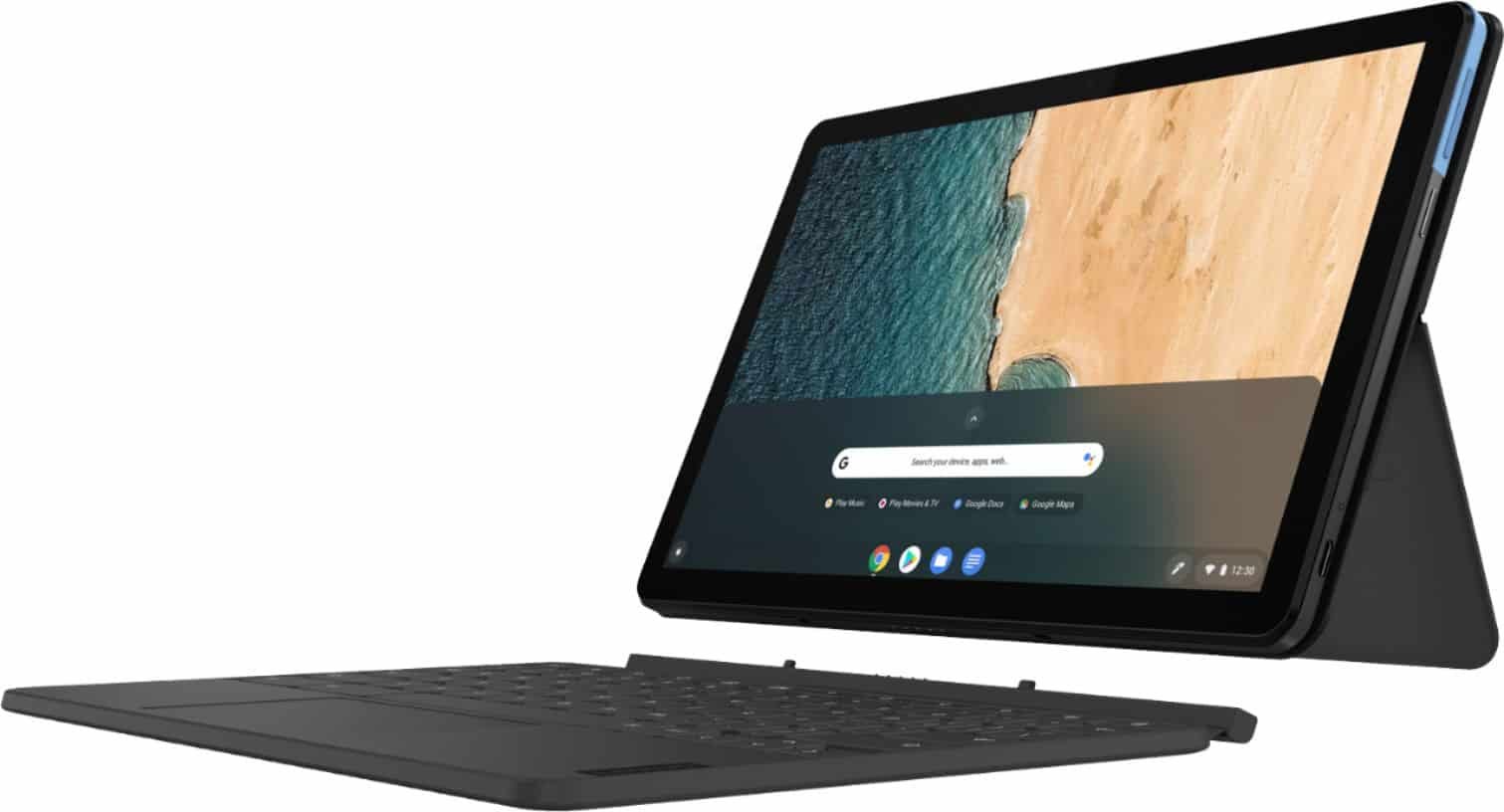
- While not as common, some manufacturers offer Chromebook tablets (e.g., Lenovo Chromebook Duet series). These run ChromeOS, focusing on cloud-based computing and web apps. They are generally very affordable, lightweight, and offer excellent battery life.
Pros for College: Very affordable, secure, excellent battery life, cloud-centric (great for Google Workspace users).
Cons for College: Limited offline capabilities, app ecosystem primarily Android apps (which may not be optimized for large screens), less powerful for demanding tasks.
Chapter 5: Essential Accessories for the College Tablet
A tablet’s potential is unlocked by the right accessories. Factor these into your budget.
5.1. Stylus (Digital Pen)
Absolutely crucial for note-taking, annotating, and creative work. Whether it’s the Apple Pencil, Samsung S Pen, or Microsoft Surface Pen, invest in the official or a highly-rated third-party option for the best experience.
5.2. Keyboard Case
Transforms your tablet into a highly capable productivity machine. Look for comfortable key travel, good backlighting (for late-night study sessions), and a sturdy design that protects your tablet. Examples include Apple’s Magic Keyboard/Smart Keyboard Folio, Samsung’s Book Cover Keyboard, and Microsoft’s Type Cover.
5.3. Protective Case and Screen Protector
Accidents happen. A robust case protects your tablet from drops and bumps, while a good screen protector (tempered glass or film) guards against scratches. Consider "paper-like" screen protectors for a more tactile writing experience.
5.4. Portable Power Bank
For those extra-long days or when outlets are scarce, a high-capacity power bank with USB-C PD (Power Delivery) can recharge your tablet multiple times.
5.5. USB-C Hub/Dongle
If your tablet only has one USB-C port, a hub can expand its connectivity, allowing you to connect USB drives, external monitors, or even Ethernet cables.
Chapter 6: Making the Right Choice: Tailoring to Your Needs
With so many options, how do you pick your perfect tablet? Consider these factors:
- Your Major and Course Load:
- Humanities/Social Sciences: Focus on excellent note-taking, reading, and light typing. An iPad Air or Samsung Tab S9 FE is probably sufficient.
- STEM/Engineering: May need more processing power for specific software or extensive data analysis. A Surface Pro or iPad Pro might be better.
- Art/Design: Prioritize stylus quality, display accuracy, and powerful processors. iPad Pro or Galaxy Tab S9 Ultra are strong contenders.
- Budget: Be realistic. A more expensive tablet might offer more features, but a mid-range option can still be incredibly effective. Remember to factor in accessories.
- Preferred Ecosystem: Are you already an iPhone user? An iPad will integrate seamlessly. Do you use Android phones and Google services? A Galaxy Tab might feel more natural. Do you need Windows software? A Surface device is your best bet.
- Primary Use Case: Is it primarily for note-taking? Reading? As a laptop replacement? Let your most frequent activities guide your decision.
- Connectivity Needs: Will you rely solely on Wi-Fi, or do you need constant cellular access?
Chapter 7: Maximizing Your Tablet’s Potential
Once you have your lightweight tablet, here are tips to make the most of it:
- Master Essential Apps:
- Note-Taking: Goodnotes, Notability, OneNote, Samsung Notes, Notion.
- Productivity: Microsoft 365 (Word, Excel, PowerPoint), Google Workspace (Docs, Sheets, Slides), Apple Pages/Numbers/Keynote.
- PDF Readers/Annotators: Adobe Acrobat Reader, Apple Books, Google Play Books.
- Organization: Todoist, Reminders, Google Calendar, Forest (for focus).
- Cloud Storage: Google Drive, Dropbox, OneDrive, iCloud.
- Leverage Cloud Integration: Sync all your documents and notes to the cloud. This ensures your work is backed up, accessible from any device, and easily shareable with classmates or professors.
- Explore Split-Screen Multitasking: Learn how to use two apps side-by-side (e.g., lecture slides on one side, note-taking app on the other) to boost productivity.
- Customize Your Settings: Optimize battery life by adjusting screen brightness, managing background app refresh, and turning off unnecessary notifications.
- Utilize Accessibility Features: Explore features like text-to-speech, dictation, and display adjustments that can aid your learning style.
- Maintain Security: Use strong passwords/biometrics, keep your OS updated, and be wary of suspicious links or downloads.
Conclusion
The lightweight tablet is more than just a gadget; it’s an investment in a more efficient, organized, and interactive academic life. By offering unparalleled portability, versatile functionality, and powerful digital tools, it empowers college students to navigate the demands of their studies with greater ease and effectiveness.
Whether you opt for the robust ecosystem of an iPad, the flexible power of a Samsung Galaxy Tab, or the full Windows capabilities of a Microsoft Surface, choosing the right lightweight tablet means equipping yourself with a dynamic learning companion. Consider your academic needs, budget, and personal preferences, and you’ll find a device that not only lightens your backpack but also significantly enriches your entire college experience. Embrace the future of learning – light, powerful, and limitless.