
Okay, here is a 2000-word review of the iPad Air 4 from the perspective of 2025, in English.
The Enduring Legacy: A 2025 Review of the iPad Air 4
Five years. In the relentless march of consumer technology, five years can feel like an eternity. Devices launched a mere half-decade ago often find themselves relegated to the digital graveyard, their processing power insufficient, their designs dated, their software support dwindling. Yet, every now and then, a product emerges that defies this rapid obsolescence, a testament to thoughtful engineering and a robust ecosystem. The iPad Air 4, launched in the autumn of 2020, is one such device.
As we stand in 2025, amidst a landscape dominated by M-series Macs, iPhones boasting groundbreaking camera arrays, and iPads that seemingly blur the line between tablet and full-fledged computer, it’s worth taking a retrospective look at the iPad Air 4. Was it just a stepping stone, or does it still hold a significant place in the bustling tablet market? For whom is this five-year-old device still a viable, even smart, purchase? Let’s delve into its enduring qualities and where its age finally begins to show.
A Design That Defied Time (and Set a Standard)
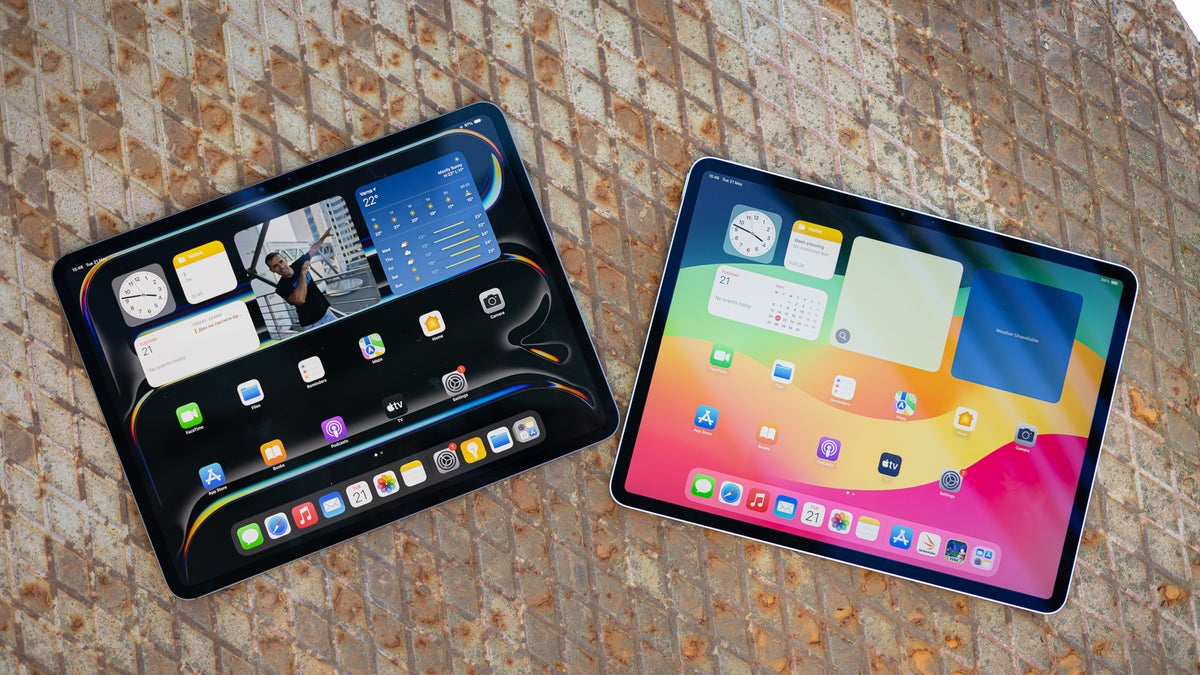
When the iPad Air 4 first debuted, its design was a revelation for the "Air" line. It shed the curved edges and prominent bezels of its predecessors, embracing the flat-edged, industrial aesthetic pioneered by the iPad Pro. This wasn’t just a cosmetic update; it was a fundamental shift that brought premium design language to a more accessible price point. In 2020, it looked strikingly modern. In 2025, it still does.
The clean lines, the uniform bezels, and the slim profile of the iPad Air 4 have aged remarkably well. Apple’s decision to standardize this design across most of its iPad lineup (with the exception of the entry-level iPad) means that the Air 4 doesn’t look out of place next to a brand-new iPad Air 6 or even a current-generation iPad Pro. Its build quality, typical of Apple, remains impeccable. The aluminum unibody feels solid and premium in the hand, and after five years of typical use, most units you find on the second-hand market will likely show only minor wear and tear, a testament to its durability.
A key design innovation was the integration of Touch ID into the power button – a brilliant piece of engineering that offered biometric security without the need for Face ID’s larger notch or the traditional home button. In 2025, with Face ID now common across high-end Apple devices, Touch ID on the power button remains an incredibly practical and reliable solution, especially for those who prefer physical security or frequently use their iPad in landscape orientation. Its placement is intuitive, and its responsiveness is as quick as ever.
The array of vibrant color options – Silver, Space Gray, Rose Gold, Green, and Sky Blue – also contributed to its timeless appeal, allowing for a degree of personalization that was less common in previous iPad generations. While some might prefer the more muted tones of current Pro models, the Air 4’s palette still offers a refreshing visual identity.
The Display: Still Liquid, Still Retina, But No Promotion
The iPad Air 4 sports a 10.9-inch Liquid Retina IPS LCD display with a resolution of 2360 x 1640 pixels, resulting in a pixel density of 264 ppi. In 2020, this was an excellent panel, offering sharp text, vibrant colors, and good brightness (up to 500 nits). It supported Apple’s True Tone technology, which automatically adjusts the display’s white balance to match the ambient light, providing a more natural viewing experience.
Fast forward to 2025, and the display remains impressive for general consumption. Whether you’re streaming 4K content, browsing the web, reading e-books, or casually editing photos, the visuals are crisp and pleasing. Color accuracy is still top-notch, making it suitable for tasks that demand fidelity. For the vast majority of users, this display is more than adequate.
However, the one significant area where the Air 4’s display truly shows its age, particularly when compared to newer iPads, is the absence of ProMotion technology. ProMotion, which dynamically adjusts the refresh rate up to 120Hz, debuted on the iPad Pro years before and is now a standard feature on many premium tablets and even some mid-range smartphones. The Air 4’s fixed 60Hz refresh rate means that scrolling, animations, and Pencil input aren’t quite as buttery smooth as on a ProMotion display. While not a deal-breaker for everyone, once you experience 120Hz, going back to 60Hz can feel noticeably less fluid. For artists or those who rely heavily on the Apple Pencil for detailed work, the increased latency (albeit minor) might be a consideration. For everyone else, it’s a minor quibble against an otherwise excellent panel.
Performance: The A14 Bionic – A True Workhorse
At the heart of the iPad Air 4 lies the A14 Bionic chip, the same processor that powered the iPhone 12 series. This was a groundbreaking chip at the time, being the first commercial chip built on a 5-nanometer process. In 2020, it offered desktop-class performance in a tablet form factor. But how does it hold up in 2025, against a backdrop of M1, M2, and even M3-powered iPads?
Surprisingly well, for most users. The A14 Bionic remains an incredibly capable processor. For everyday tasks – web browsing with multiple tabs, social media, email, streaming video, note-taking, and casual gaming – the iPad Air 4 is still remarkably fluid and responsive. Apps launch quickly, multitasking is smooth, and there’s virtually no lag to be found.
Where the A14 begins to show its age is in more demanding, sustained workloads. If your workflow involves heavy video editing (especially 4K footage with complex effects), intense 3D rendering, or running multiple professional-grade applications simultaneously, you will notice the difference compared to an M-series iPad. Export times will be longer, and complex scenes might stutter. Similarly, the most graphically intensive games released in 2024 or 2025 might not run at their absolute highest settings or maintain a perfectly stable frame rate.
However, it’s crucial to put this into perspective. The vast majority of iPad users don’t push their devices to these extremes. For students juggling research papers and presentations, for professionals managing emails and spreadsheets, for creatives sketching and light photo editing, or for casual users enjoying media and games, the A14 Bionic still delivers an excellent experience. Its Neural Engine, while not as advanced as those in newer chips, still competently handles on-device machine learning tasks, from photo recognition to Siri commands.
Apple’s commitment to long-term software support also plays a significant role here. In 2025, the iPad Air 4 is still receiving the latest iPadOS updates (likely iPadOS 19 or even 20). This ensures continued access to new features, security patches, and app compatibility, which is a major advantage over many Android tablets of a similar vintage. The optimization between Apple’s hardware and software ensures that even with an older chip, the experience remains remarkably cohesive and efficient.
Cameras and Audio: Functional, Not Flashy
The iPad Air 4 features a 12MP wide camera on the rear and a 7MP FaceTime HD camera on the front. In 2020, these were competent, but not revolutionary, for a tablet. In 2025, they are decidedly average.
The rear camera is perfectly adequate for scanning documents, taking quick photos for reference, or even augmented reality applications. It won’t replace your iPhone for serious photography, but it gets the job done.
The front-facing camera, however, is where the age is most apparent. While its 7MP resolution is fine for video calls, it lacks Apple’s "Center Stage" feature, which automatically pans and zooms to keep you in frame during video conferences. This feature, introduced with the iPad Pro M1 and now common across newer iPads (including the base model), has become an almost indispensable quality-of-life improvement for remote work and learning. Its absence on the Air 4 is noticeable in 2025’s video-centric world.
Audio-wise, the iPad Air 4 features stereo speakers. While they offer decent clarity and separation for a tablet, they lack the rich, four-speaker array found on iPad Pro models. For casual media consumption, they’re perfectly fine, but for immersive audio, you’ll still want a good pair of headphones.
Battery Life: Holding Its Own
Apple typically promises "up to 10 hours" of battery life for web surfing or video playback on its iPads, and the iPad Air 4 was no exception. In 2020, real-world usage often exceeded this for light tasks. In 2025, after five years of charge cycles, individual battery health will vary. However, a well-maintained iPad Air 4 can still deliver a full day of moderate use.
For tasks like reading, browsing, and light productivity, you can still expect 7-9 hours of screen-on time. More demanding activities like gaming or video editing will naturally drain it faster. The longevity of its battery is another testament to Apple’s efficient hardware-software integration. The inclusion of a USB-C port (a first for the Air line) was also a significant future-proofing move, allowing for universal charging with many other modern devices and enabling connectivity with a wider range of accessories like external drives, monitors, and hubs.
The iPadOS Experience: A Lifeline of Updates
Perhaps the most significant factor contributing to the iPad Air 4’s enduring relevance in 2025 is iPadOS. Apple’s commitment to providing long-term software updates to its devices means that the Air 4 benefits from the latest features, security enhancements, and performance optimizations.
In 2025, the iPad Air 4 runs the latest version of iPadOS (be it iPadOS 19 or 20). This means it has access to features like improved multitasking (including Stage Manager, though its external display capabilities might be limited compared to M-series iPads), enhanced widgets, Freeform, and the continually expanding App Store ecosystem. The user interface remains intuitive and fluid, and the tight integration between hardware and software ensures that even a five-year-old device feels remarkably current.
This sustained software support is a monumental advantage, especially when comparing the iPad Air 4 to Android tablets from the same era. Many Android devices would have long ceased receiving major OS updates, leading to app incompatibility, security vulnerabilities, and a general feeling of being left behind. The iPad Air 4, however, continues to be a vibrant part of the Apple ecosystem, fully capable of running the latest applications and services.
Accessories and Ecosystem: Enhancing Utility
The iPad Air 4’s compatibility with Apple’s premium accessories further extends its longevity and utility. It supports the second-generation Apple Pencil, which attaches magnetically to the side for charging and pairing. For students, artists, and anyone who takes notes or sketches, the Pencil transforms the Air 4 into a powerful digital canvas and notebook. The responsiveness and precision of the Apple Pencil on the Air 4’s display remain excellent.
Furthermore, its compatibility with the Magic Keyboard and Smart Keyboard Folio allows it to seamlessly transition into a laptop-like experience. The Magic Keyboard, with its integrated trackpad and backlit keys, turns the Air 4 into a surprisingly capable productivity machine for writing, email, and light spreadsheet work. These accessories, while adding to the overall cost, significantly enhance the device’s versatility and are readily available on the used market alongside the Air 4 itself.
The USB-C port, as mentioned, is another crucial element. It allows for connection to a vast array of peripherals – external monitors, USB drives, card readers, and audio interfaces – expanding the iPad Air 4’s capabilities far beyond what its wireless connections offer.
The Value Proposition in 2025: Who Should Buy the iPad Air 4?
This is where the iPad Air 4 truly shines in 2025. While it’s no longer sold new by Apple, it’s widely available on the refurbished and second-hand markets at significantly reduced prices. And for many, it represents an outstanding value.
The iPad Air 4 is an ideal purchase for:
- Budget-Conscious Buyers: If you’re looking for a premium tablet experience without breaking the bank, the Air 4 offers flagship-level design and excellent performance for its price point on the used market. It vastly outperforms most brand-new Android tablets in the same refurbished price range.
- Students: For note-taking, research, presentations, and light content creation, the Air 4 with an Apple Pencil and possibly a keyboard is an incredibly powerful and portable setup. Its long battery life and robust software support make it a reliable companion through academic years.
- Casual Users and Media Consumers: For browsing, streaming, social media, and light gaming, the Air 4 provides a fluid and immersive experience. The display is excellent for movies and photos, and the stereo speakers are perfectly adequate.
- First-Time iPad Owners: If you’re new to the iPad ecosystem and want to experience its benefits without investing in the latest M-series models, the Air 4 offers a perfect entry point. It provides a taste of the premium iPad experience without the premium price tag.
- Upgraders from Much Older iPads: If you’re coming from an iPad Air 2, a first-generation iPad Pro, or an older base model iPad, the Air 4 will feel like a substantial upgrade in terms of design, performance, and accessory support.
However, it might not be for you if:
- You need the absolute best performance: For heavy video editing, 3D rendering, or professional-grade design work, an M-series iPad Pro or even an iPad Air with an M1/M2 chip will offer a significantly smoother and faster experience.
- You prioritize the latest features: If Center Stage for video calls, ProMotion for buttery-smooth scrolling, or Thunderbolt support for super-fast external storage are must-haves, you’ll need a newer model.
- You demand brand-new devices: If the idea of a refurbished or used device is unappealing, then the Air 4 isn’t an option, as it’s no longer sold new.
Compared to the base model iPad (10th generation), the Air 4 offers a superior design (laminated display, flat edges, Touch ID in power button), better accessory compatibility (Apple Pencil 2, Magic Keyboard), and a more powerful chip (A14 vs. A13). While the base iPad is cheaper new, the Air 4 on the used market often presents a much better overall value.
Compared to the iPad Air 5 (M1 chip), the Air 4 is noticeably slower in demanding tasks, lacks Center Stage, and doesn’t have the M1’s graphics prowess. However, for most tasks, the difference is negligible, and the Air 4 will be significantly cheaper.
Conclusion: A Testament to Longevity
In 2025, the iPad Air 4 stands as a remarkable example of Apple’s ability to design products with enduring relevance. Its modern design, robust A14 Bionic chip, excellent display (despite the lack of ProMotion), and long-term software support from iPadOS mean that it continues to be a highly competent and enjoyable tablet.
It’s not the fastest, nor does it boast every cutting-edge feature found in its newer siblings. But what it does offer is a premium iPad experience at a highly attractive price on the second-hand market. For students, casual users, and anyone seeking a powerful yet affordable tablet that will continue to receive updates and run the latest apps for years to come, the iPad Air 4 remains an incredibly smart and highly recommended purchase. It’s a testament to the fact that sometimes, the smartest tech investment isn’t the newest, but the one that was built right from the start. The iPad Air 4, even five years on, is still very much a force to be reckoned with.